Supply
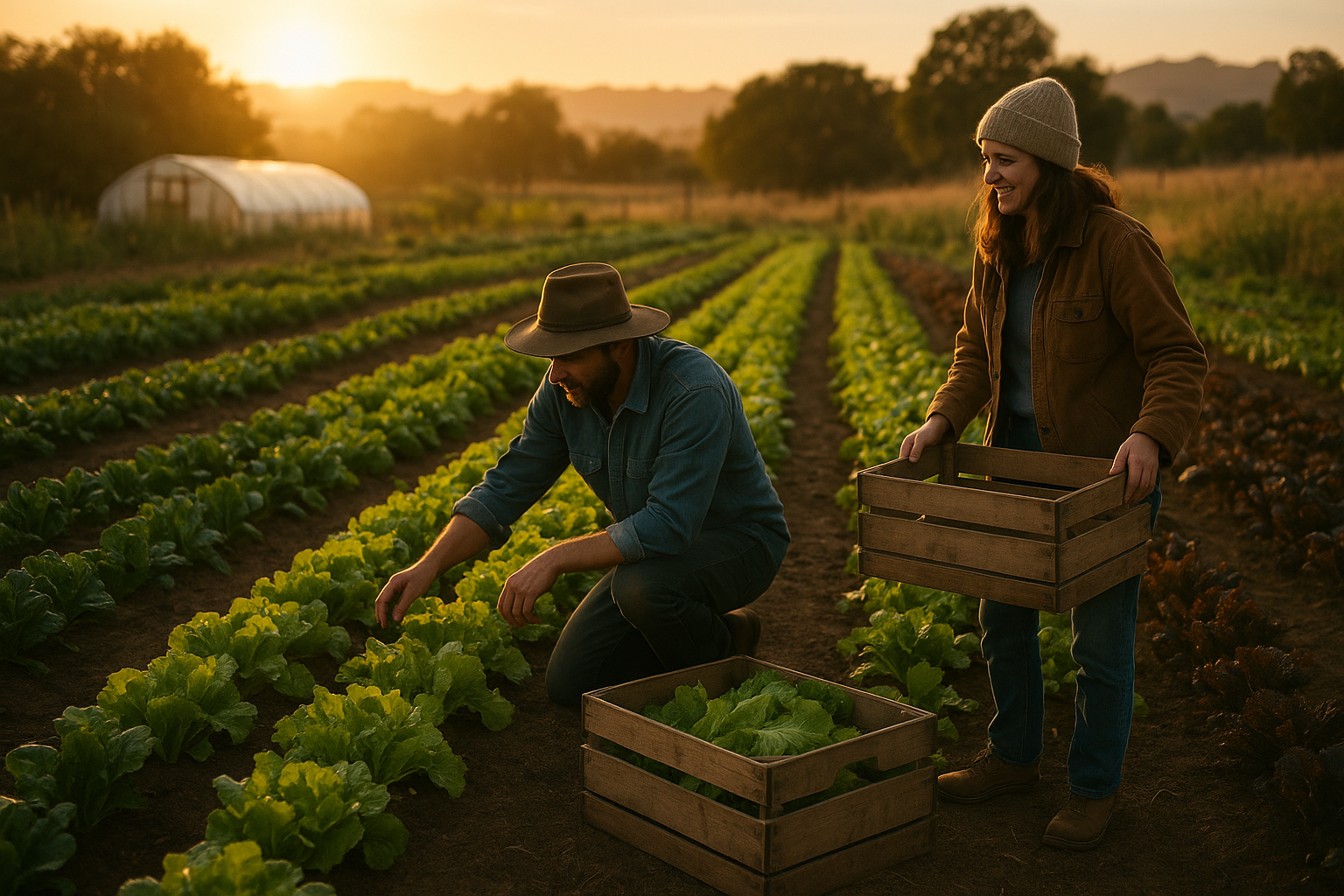
Surplus starts on the farm
Good food can move farther when the right people know it is available in time.

Community Harvest connects farmers with surplus produce to food banks, community partners, and families who need fresh food. The goal is simple: make local food availability visible fast enough that more harvest gets shared, less food is wasted, and more people are fed with dignity.
Farmers often have extra produce they cannot move quickly enough. Food banks and community partners need fresh food. Families need timely, local access. But the information is scattered, delayed, or invisible. Community Harvest is designed to close that gap.
Community Harvest is meant to feel local, practical, and hopeful. These are the moments the platform is trying to connect.
Good food can move farther when the right people know it is available in time.
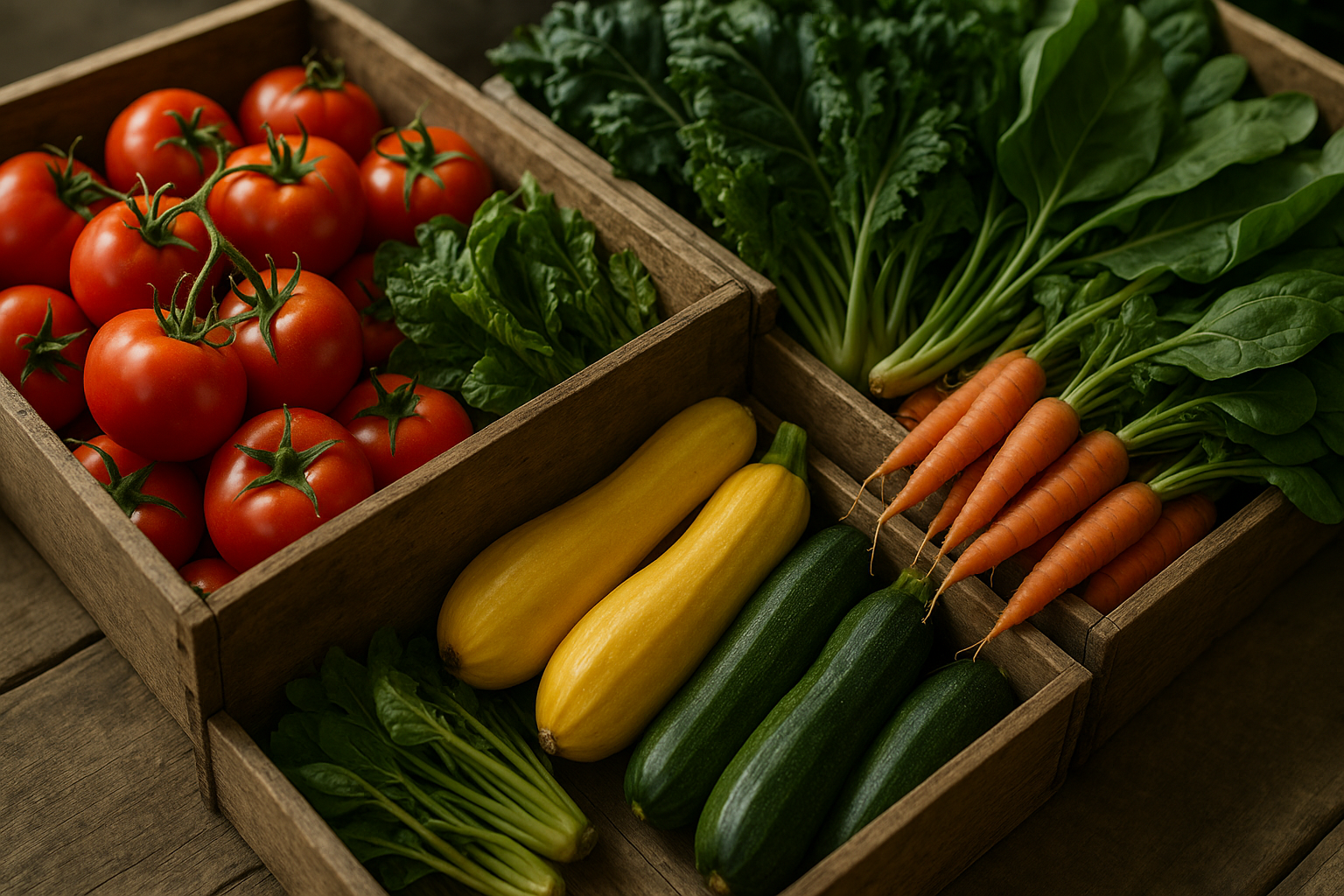
When fresh food is visible and actionable, it is far easier to keep it from going to waste.
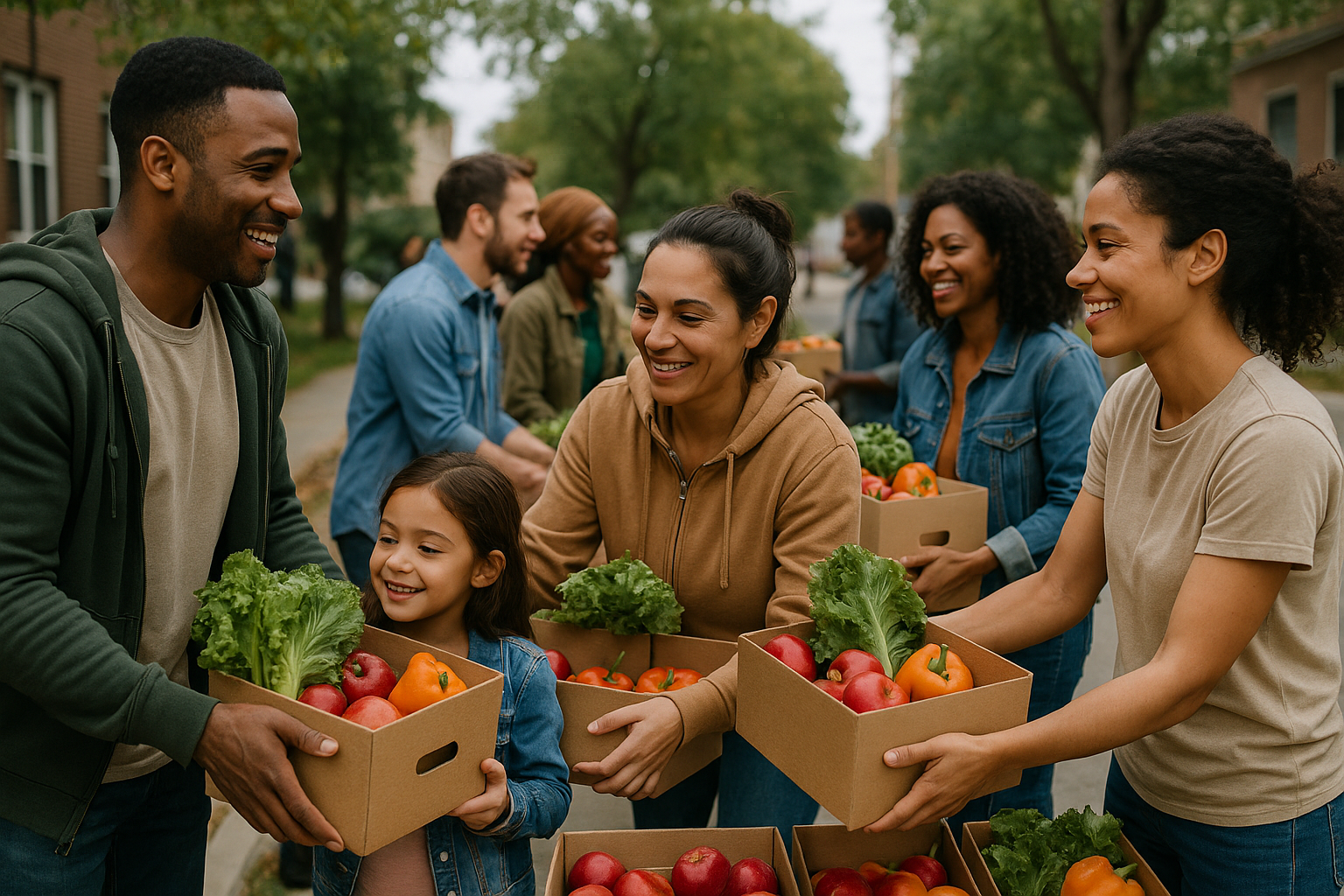
The best outcome is simple: food reaches people, neighbors work together, and local trust grows.
The product should make this flow obvious. If it takes too much explanation, it will not scale in the real world.
A grower shares what is available, how much there is, and when it needs to move.
Food banks, volunteers, partners, and nearby community members can see and respond quickly.
The right person or organization claims the opportunity and handles pickup or distribution.
Fresh produce ends up with households, food banks, schools, churches, and community groups instead of being lost.
The platform only works if it creates clear value for the people growing food, moving food, and receiving food.
When harvest runs over or plans shift, extra produce should be easier to share with the local community instead of going to waste.
People should be able to see nearby opportunities through a visible local network, not just fragmented last-minute information.
Food banks, schools, churches, community fridges, and mutual aid groups can plug into a more responsive local flow of fresh food.
There is no good reason for fresh food to be wasted while local families are still struggling to access it. Community Harvest is about creating a better local response: one that is faster, more visible, and built on community trust.
The long-term goal is to build the social infrastructure around food rescue — not just another website, but a practical network people can actually use.
A short mission note for an early-stage public launch.If you are a farmer, community partner, volunteer, or someone who wants updates, leave your info here.
Good landing pages answer obvious objections early.
No. Community Harvest is intended to be the coordination layer that helps growers, food banks, partners, and community members connect more effectively.
No. Smaller local growers may benefit the most from a simpler way to make surplus visible and actionable.
Yes. Food banks, schools, churches, community fridges, mutual aid groups, and local nonprofits are part of the intended network.
The next step is turning this polished landing page into working flows: real signups, alerts, posting tools, and pickup coordination.